
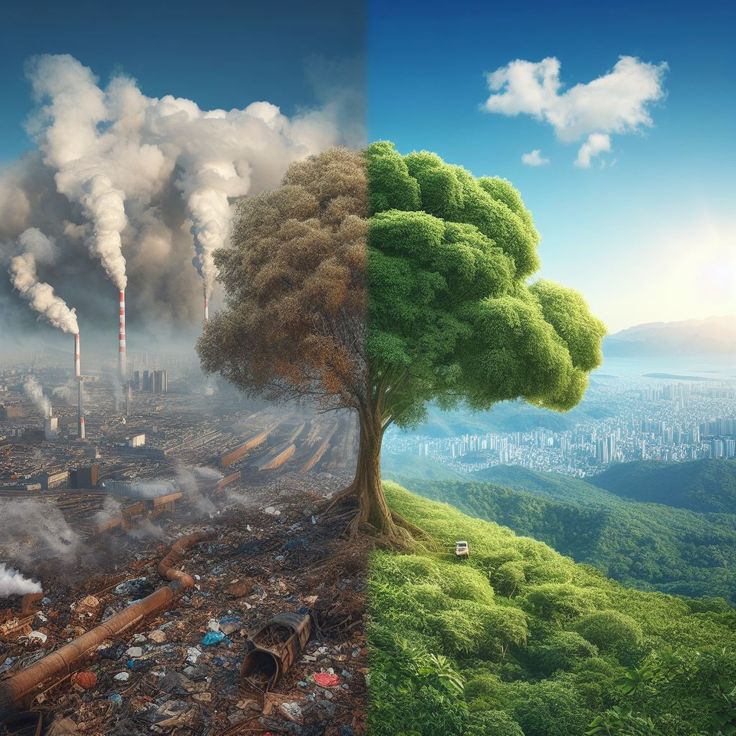
The Ministry of Construction is proposing an important draft decree that mandates integrating climate change adaptation requirements into urban planning, construction, and development. Accordingly, the process of preparing, appraising, and approving urban planning must be based on environmental impact assessments, climate-related risks and damages, as well as the latest sea-level rise scenarios. For urban areas located in highly vulnerable or high-risk zones, separate disaster-risk zoning maps must be developed based on climate change adaptation scenarios.
In terms of architecture, building design must comply with technical standards for climate adaptation according to updated scenarios. Urban planning will also aim to optimize green spaces and ecosystems, utilize natural resources efficiently, and organize resilient infrastructure networks capable of withstanding natural disasters, heavy rainfall, or prolonged heat waves.
In economic–technical reports, investors will be required to present full assessments of climate-related risks and detailed adaptation solutions. Additionally, construction designs must include contingency measures for extreme weather events such as storms, flooding, or extended heatwaves. A climate and disaster early-warning monitoring system is also proposed as a mandatory requirement to improve urban response capacity and coordination.
For existing urban areas, the draft recommends reviewing and adjusting planning based on updated climate scenarios. Investments in upgrades should prioritize drainage systems, flood-control measures, reinforcing embankments when necessary, and expanding green spaces to improve water regulation and rainwater retention.
When renovating, upgrading, or constructing technical infrastructure in urban areas, developments must ensure proper drainage standards, expand green and water spaces, enhance natural water infiltration, and use construction materials that save natural mineral resources, conserve energy, and are environmentally friendly, low-emission, and climate-resilient. Projects must not obstruct natural water flows or increase flooding or landslide risks in surrounding areas.
Resources should be effectively allocated and mobilized to upgrade and improve urban drainage systems. Priority should be given to preserving, restoring, and connecting natural and artificial water bodies such as ponds, lakes, wetlands, canals, ditches, and low-lying or flood-prone zones, in order to enhance water regulation, store rainwater, reduce flooding, help balance water levels, and improve the overall quality of urban living environments.