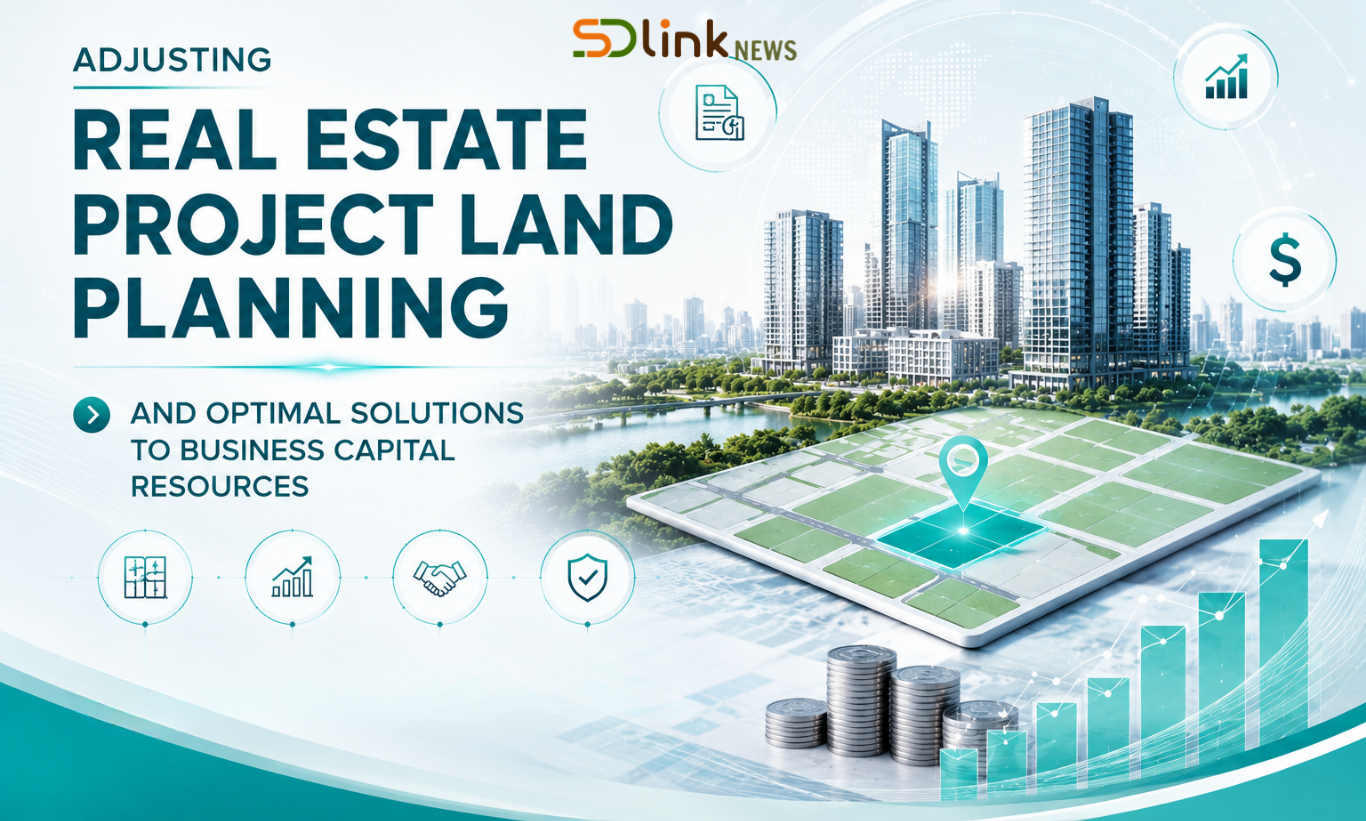
The adjustment of master planning and the structural conversion of land use in large-scale urban projects have emerged as a focal point of intense interest among institutional investors and real estate developers. This trend is vividly demonstrated by recent proposals regarding the conversion of land funds originally designated for social housing into commercial housing segments within key projects of Vinhomes. This represent not only a strategic move to restructure the developer's product portfolio but also reflects highly flexible adaptation to real market fluctuations and consumer demand.
From the perspective of urban management and resource optimization, balancing the proportion between different housing segments plays a decisive role in the economic viability of the entire project. As market conditions evolve, maintaining a fixed ratio for social housing in prime locations can occasionally create substantial barriers to capital management and the maximization of land-use value. Consequently, a conversion mechanism to commercial housing, when approved based on sound legal and practical justifications, will help unlock financial resources, enhance liquidity, and generate robust development momentum for neighboring sub-zones. However, this process demands close coordination between enterprises and state management regulatory bodies to ensure transparency, strict compliance with additional financial obligations, and alignment with the local broader housing development strategy.
For strategic investors and real estate enterprises, these planning alterations consistently introduce both opportunities and challenges in reshaping investment portfolios. Amidst an increasingly stringent regulatory framework and continuously updated macroeconomic management instruments, a profound understanding of the nature of planning adjustment decisions is the key to preserving and expanding capital flows. Enterprises require a comprehensive overview, a quantitative analysis of financial impacts, and long-term forecasts of market trends prior to executing any land fund restructuring decisions.
In the context of strategic shifts in Vietnam's regulatory environment and real estate planning, identifying risks and seeking resource optimization solutions are vital for the sustainable development of enterprises. As a leading institution in investment advisory, market research, and management consulting, SDLink is fully committed to accompanying partners and enterprises in conducting in-depth analyses of policy fluctuations, assessing project feasibility, and formulation comprehensive development strategies. Our team of experienced experts is always prepared to deliver pragmatic solutions, enabling enterprises to proactively capture investment waves and optimize capital efficiency across all market phases.
Source: VnExpress